
Mouse Control in Warren, MI
Mice in the walls, attic or pantry? Ashley Pest Solutions finds how they get in, builds a plan for your home and explains every step. Free inspections.
How Do I Know If I Have Mice in My House?
Mice are quiet, quick and mostly active at night, so most people notice what they leave behind before they ever see one. The clues tend to show up in the same places: along kitchen baseboards, under the sink, in the back of the pantry, in the garage and up in the attic.
If you are finding any of the signs below, it is worth having Shaun take a look before a few mice turn into a family living in your walls.
- Small, dark droppings about the size of a grain of rice
- Chewed corners on cereal boxes, bags of pet food or birdseed
- Scratching or light scurrying in the walls or ceiling at night
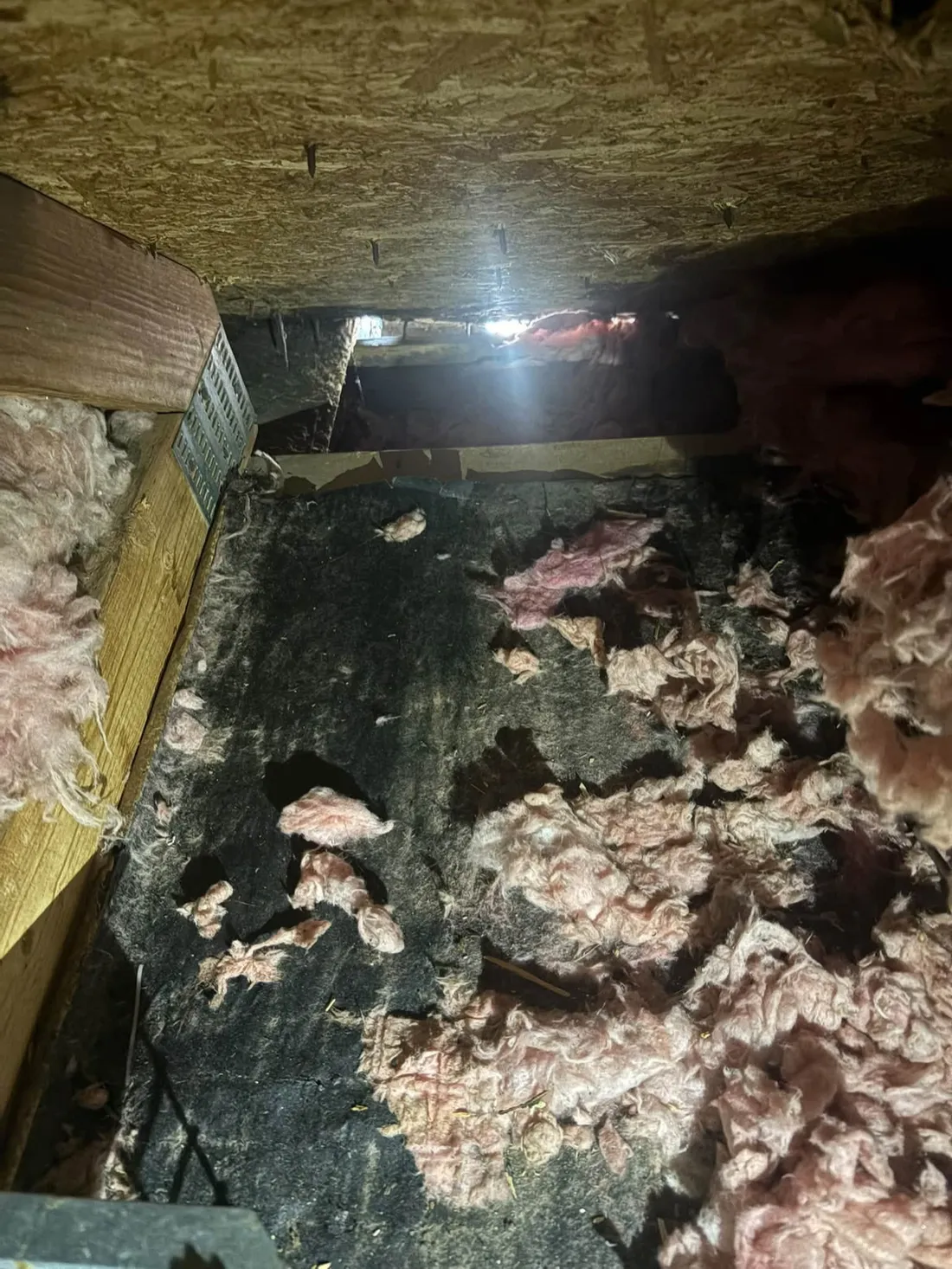
- Shredded paper, fabric or insulation gathered into a nest
- Greasy rub marks along walls and baseboards
- A cat or dog staring at the same spot on the wall
Which Mice Get Into Michigan Homes?
Not every small rodent in your home is the same animal, and knowing which one you are dealing with changes where Shaun looks first. These are the ones he runs into most around Macomb and Oakland counties. You can read about more local pests in our Pest Library.
House Mouse
The most common rodent in Michigan. Small, gray or light brown, with large ears and a long scaly tail. They gnaw on wires, insulation and food and can spread diseases like hantavirus and salmonella.
Deer Mouse
Brownish gray with a white belly and big ears. More common near wooded and rural edges, they move indoors looking for food and a warm place to nest.
Voles
Often mistaken for mice, voles are stockier with short tails. They live outside in grassy or wooded areas and dig burrows that damage lawns, plants and gardens.
Why Do Mice Come Inside When It Gets Cold?
Every fall, as Michigan nights start to drop, mice go looking for three things: warmth, food and a quiet place to raise young. Your house checks every box. A mouse can squeeze through a gap about the size of a dime, so the small openings around pipes, dryer vents, garage door seals and foundation cracks are all an open invitation.
Once inside, they head for spots people rarely visit. Attic insulation is a favorite, and Shaun regularly finds it torn up, flattened and soiled with droppings. Wall voids, the space behind the stove and fridge, and cluttered corners of the basement come next. The earlier those first visitors are found, the smaller the job tends to be.
Are Mice in the Walls Dangerous?
A single mouse can seem harmless, but a growing population brings real problems. Mice gnaw constantly to keep their teeth in check, and that includes electrical wiring, which can become a fire hazard. They ruin insulation, chew through stored boxes and contaminate food and counters with droppings and urine.
They can also carry diseases such as hantavirus and salmonella. If you find droppings, avoid sweeping or vacuuming them dry, since that stirs up dust. Leave the source of the problem to us and let Shaun figure out where the mice are living and how they are getting in.
What Does a Mouse Inspection Look For?
Every mouse job starts with a free inspection. Shaun walks the inside and outside of your home looking for active droppings, nests and chewed insulation, then traces how the mice are getting in and what is drawing them, whether that is pet food in the garage or a gap where a utility line enters the house.
From there he builds a plan around your home and your family, explains what he found in plain language and gives you a quote. If you are helping a parent or relative from a distance, he is happy to walk you through it by phone or text. You can start by reaching out on our contact page.
How Can I Keep Mice Out of My House?
A few simple habits make your home a lot less inviting. These won't fix an active problem on their own, but they help keep new mice from settling in. If you are also seeing larger droppings or burrows outside, take a look at our rat control page.
- Keep pantry food, pet food and birdseed in sealed containers
- Clear clutter and cardboard from the garage and basement
- Stack firewood away from the house
- Trim shrubs and plants back from the siding
- Close gaps around pipes, vents and doors
Mouse Control FAQ
Have a question about mouse control that isn't here? Call Shaun or send a message through the contact form.
If I saw one mouse, are there more?
Usually, yes. Mice breed quickly and rarely travel alone, so one mouse in the kitchen often means others are nesting nearby. A free inspection shows how big the problem really is.
Will mice leave on their own when spring comes?
Rarely. Once mice have found food, water and a warm nest inside, they have little reason to leave, and the population keeps growing.
How much does a mouse inspection cost?
The inspection is free. After Shaun looks things over, he explains the plan and gives you a quote before any work starts.
Do you handle mice in businesses too?
Yes. We work with homes and businesses. See our commercial pest control page for more.
More Help Beyond Mouse Control
Rat Control
Heavier scratching, bigger droppings or burrows by the foundation? Ashley Pest Solutions tracks down where rats live and get in, then walks you through a plan.
Learn MoreResidential Pest Control
Pest control for homes in Warren and nearby towns. A free inspection, a plan built for your house and family, and clear answers from Shaun about every pest he finds.
Learn MoreCommercial Pest Control
Pest control for businesses in Warren and nearby towns. Shaun inspects your building for free, explains what he finds and builds a plan that fits how you run things.
Learn MoreWhat Customers Say
 Find Us on Google
Contact Us
Tell us what you're seeing and where. Shaun will get back to you to set up a free inspection and talk through a plan.
Call Us(248) 249-8107